
Food before exercise affects energy levels, concentration, and workout stability during difficult training sessions. What to eat before cross–functional fitness training becomes important because workouts usually combine cardio intervals, lifting movements, jumping drills, and endurance circuits together. Athletes often need enough fuel for both muscular effort and cardiovascular activity in one session.
Carbohydrates for Training Energy
Carbohydrates are an important energy source before demanding exercise. During high–intensity sessions, the body uses stored glycogen from muscles for fuel. Athletes with very low carbohydrate intake sometimes notice early fatigue during repeated conditioning intervals or long circuits.
Common carbohydrate foods before training include rice, oats, bananas, potatoes, toast, and fruit. Simple meals are often easier for digestion before exercise compared with heavy fried foods or large fast food meals. Athletes usually avoid very large portions immediately before training because stomach discomfort may increase during movement.
Several useful pre–workout carbohydrate options include the following:
- Oatmeal with fruit
- Rice with lean protein
- Banana and yogurt
- Toast with peanut butter
Meal timing affects energy use too. Larger meals are usually eaten two or three hours before training sessions. Smaller snacks may work better thirty to sixty minutes before exercise. Some people train early in the morning and prefer only light foods because heavy meals feel uncomfortable during fast movement drills.
Protein Before Exercise Sessions
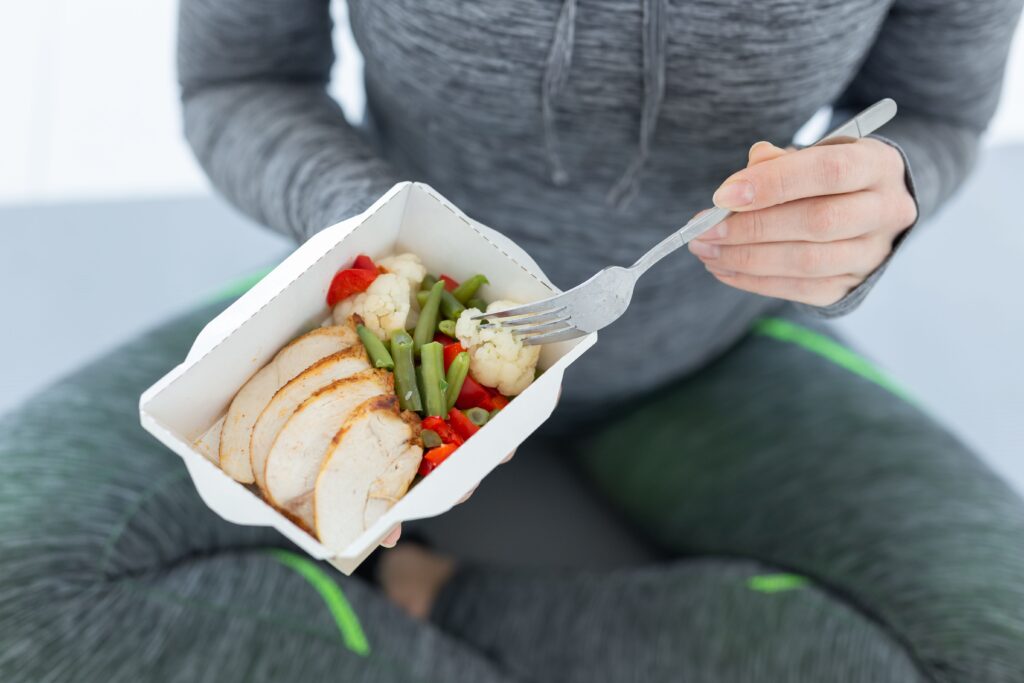
Protein supports muscle repair and physical adaptation. Eating moderate protein before workouts may help athletes maintain muscle tissue during demanding training periods. Protein also creates a longer feeling of fullness compared with carbohydrate foods alone.
Some popular options before training sessions include chicken, eggs, yogurt, cottage cheese and protein shakes. A lot of athletes mix protein with carbohydrates to balance their energy needs and to prepare their muscles.
Some people find that eating too much protein right before a workout slows down digestion. Sometimes large meat portions in heavy meals cause stomach heaviness during conditioning workouts. Athletes often experiment with various meal combinations to learn more about how their own bodies digest food.
Protein timing gets a lot of attention within fitness communities. There are people who are stressing a lot about exact timing windows pre and post workout. Perfect minute planning is often less important than balanced daily nutrition. Consuming protein at regular intervals during the day typically promotes steady recovery and muscle adaptation.
Foods Often Avoided Before Training
Certain foods may create discomfort during high–intensity movement. Very greasy meals, excessive sugar, and heavy fast food often slow digestion or increase stomach problems during workouts. Athletes usually learn through experience which foods reduce training quality.
High–fiber foods can also create digestive discomfort for some people before difficult exercise. Beans, large vegetable portions, and heavy salads may feel uncomfortable during jumping, running, or rowing sessions because digestion remains active during movement.
Several foods athletes often limit before training include:
- Fried fast food meals
- Large desserts with high sugar
- Very spicy dishes
- Carbonated drinks in large amounts
Alcohol before exercise usually affects hydration and coordination negatively. Even moderate intake may reduce balance, reaction speed, and endurance during physically demanding sessions.
Hydration Before Physical Activity
Hydration prior to exercise aids circulation, temperature control, and muscle function. Athletes who are dehydrated tend to tire sooner in hard sessions. Usually it’s not as important to drink a lot of water right before training as it is to stay hydrated throughout the day.
Conditioning workouts that cause sweating result in rapid fluid loss, especially in warm gym environments. Long endurance athletes can also use electrolyte drinks to replace sodium and minerals.
Morning training poses additional hydration challenges because the body often loses water during sleep hours. Many athletes drink water immediately after they get up before their early exercise sessions.
Meal Timing and Training Intensity
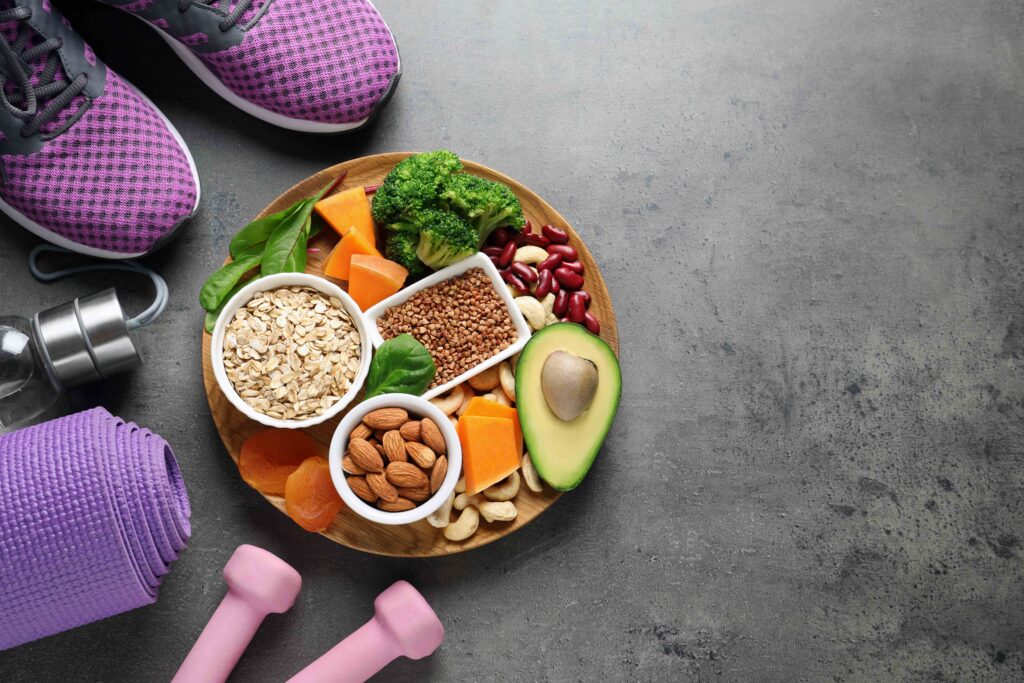
The timing of food and exercise can make a difference in how comfortable you feel while doing the activity. Eating a big meal too close to your workout can lead to nausea or a feeling of pressure in your stomach when you run, do squats, or jump. Athletes often experiment with timing to find a comfortable balance between energy and digestion.
Athletes will sometimes eat lighter meals in the morning because the body is still adjusting after sleep. Trainees are able to have a larger lunch in the evening and a light snack before working out. Nutrition needs also vary by training intensity.
Heavy lifting sessions often require different energy management compared with long cardio circuits. Endurance–focused workouts usually use larger glycogen amounts and may require higher carbohydrate intake before exercise. Shorter technical sessions sometimes need less food volume.
Long–Term Nutrition Habits
One meal before training is not going to make up for bad eating habits throughout the day. In most cases, normal eating habits favor better physical performance than extreme diets or rare episodes of restricted eating.
A balanced diet usually includes carbs for energy, protein for repair, healthy fats for hormone support, and enough vitamins from veggies and fruits.
People miss meals, show up to the gym already physically tired, and have busy work schedules. Low energy availability may affect the quality of training and the recovery time after training sessions. For athletes, regular eating is often an effective way to maintain more consistent performance over the course of a full week of training.
Comments are closed