Stamford, CT, offers a diverse range of fitness centers each offering different training styles, types of equipment and workout environments. Some clubs focus on strength development and heavy lifting, while others give more attention to cardio training, mobility sessions and cross–functional fitness programs. Stamford fitness culture continues growing because more residents include regular exercise inside weekly routines.
Common Features Inside Stamford Fitness Clubs
Fitness centers in Stamford usually provide different exercise options for members with different goals.
Important gym features often include the following
- Free weight areas with benches and squat racks.
- Cardio equipment for endurance sessions.
- Group classes and mobility programs.
- Locker rooms and recovery spaces.
- Flexible membership structures.
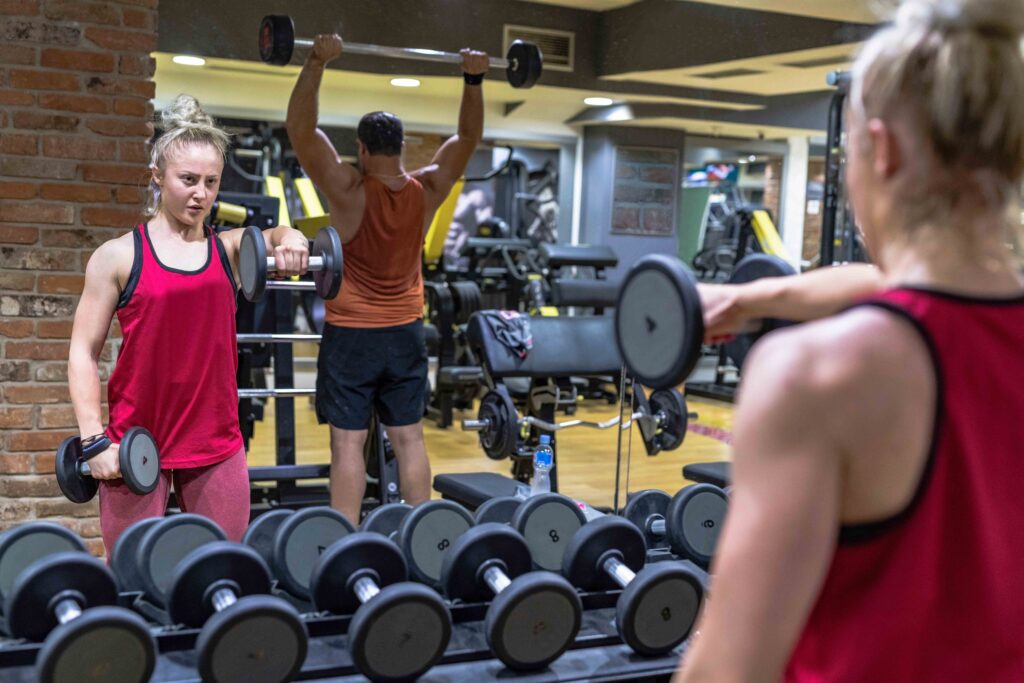
Clean training areas and equipment maintenance also influence user experience. Machines need proper maintenance otherwise the training becomes less effective and sometimes unsafe. Popular equipment and lifting stations in gyms could have waiting lines in busy evening hours, especially after work time.
Morning visitors usually have a quieter environment and easier access to equipment. Training seems easier in that time, with less interruption from other users. Some like this schedule because it allows you more control over the flow of the workout, and you don’t have to wait between sets.
Popular Gyms in Stamford
Several Stamford gyms receive attention because of training variety and facility size.
- Chelsea Piers Fitness Stamford – a large sports and fitness complex with strength zones, swimming areas, and conditioning classes.
- Underground Fitness Stamford – a gym focused on strength programs, personal coaching, and functional exercise systems.
- LA Fitness Stamford – a fitness center with cardio machines, resistance equipment and group workout sessions.
- Orangetheory Fitness Stamford – a structured interval training facility with heart rate–focused conditioning workouts.
- Planet Fitness Stamford – beginner–friendly environment with simple equipment layout and accessible memberships.
Different fitness clubs support different types of exercise. Some prefer the traditional lifting gym with more heavy equipment and some like the organized class structure with coach supervision. Stamford also sees growing interest in the functional training sessions that combine strength, rowing, running, and bodyweight exercises.
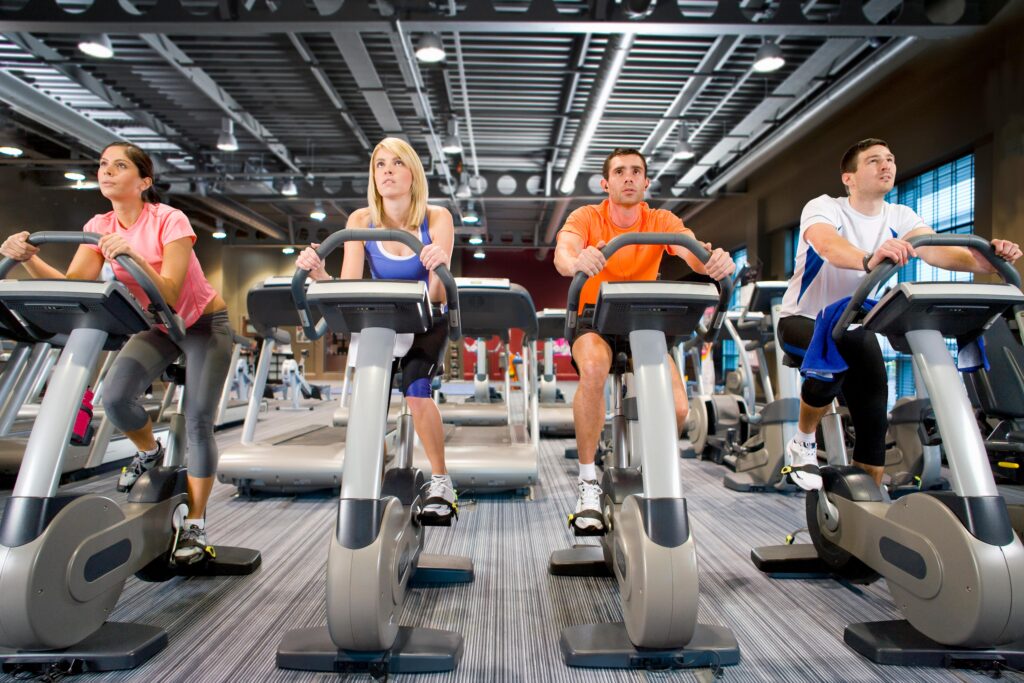
Regular training is usually more effective when the amount of exercise is balanced with rest. Sleep, hydration, and nutrition are just as important to physical performance as workout intensity. A lot of athletes also supplement the gym with outdoor running or recreational sports when the weather is warmer.
New members often compare gyms based on price but training space and the quality of equipment also affect consistency. Clubs that have enough racks, benches and recovery areas often create more comfortable conditions during busy hours. The community atmosphere can also affect motivation, as some individuals train better in active social settings. Stable routines with strength work, mobility practice, and conditioning exercises are often conducive to long–term fitness development and safer physical adaptation for different age groups and activity levels.