
Many athletes join cross–functional fitness programs because workouts combine strength, endurance, mobility, and coordination inside one training system. Injury prevention in cross–functional fitness training becomes important because exercises often include fast movement speed, heavy resistance, and repeated body stress during difficult sessions. Beginners and experienced athletes both can develop injuries when technique quality becomes unstable or recovery periods stay too short.
Movement Quality Before Heavy Intensity
Proper movement quality helps the body distribute force more safely during exercise. Many injuries happen because athletes increase weight or workout speed before they control basic technique. Coaches often focus first on posture, balance, and stable body positions before difficult movements become faster or heavier.
Warm–up routines are crucial before training sessions. Your body temperature rises in prep drills, and muscles tend to move better after dynamic mobility work. There are athletes who skip the warm-up and go straight into a hard session with stiff joints and poor coordination.
Several important warm–up elements include:
- Dynamic stretching for hips and shoulders.
- Controlled body weight–movements.
- Light cardio for blood circulation.
- Practice repetitions before heavy sets.
Mobility limitations can also affect the quality of the exercise. Tight hips can be a cause of an unstable squat position, and tight shoulders can make overhead movements more dangerous. Often, frequent practice of mobility drills can lead to safer lifting mechanics over time.
Some athletes compare themselves to advanced performers and ramp up intensity too quickly. This practice can create stress in your knees, lower back, shoulders and wrists. Connective tissues usually have time to adjust to gradual progress.
Common Training Injuries and Causes
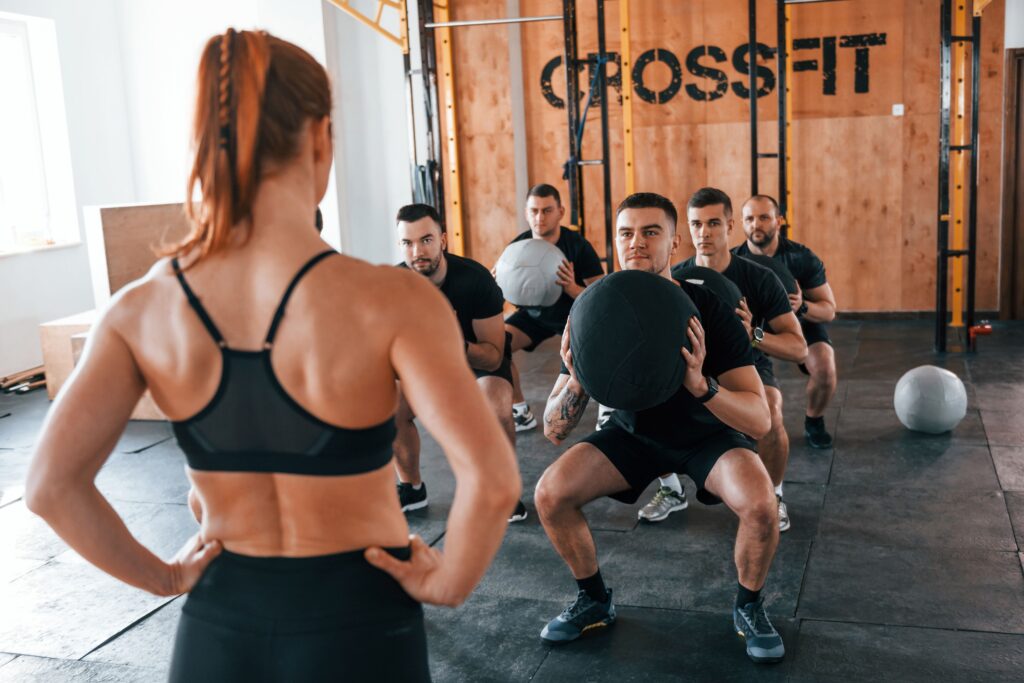
Cross–functional fitness sessions combine different forms of exercise into one workout. This variety means injuries could be in various parts of the body depending on movement patterns and training habits.
Athletes often suffer from lower back pain during deadlifts or repeated lifting circuits due to loss of spinal stability. Positioning in the rounded position against high resistance increases pressure on the spinal structures. Lifting mechanics are largely taught with a focus on bracing and controlled hip movement to help keep things safe.
Shoulder problems are also common, as many workouts include overhead presses, pull-ups and gymnastic drills. Poor shoulder mobility + high repetition volume = tendon and joint structure overload. Front rack positions, handstands, or push–up variations can all cause wrist pain.
Several common injury factors are connected with:
- Poor exercise technique during fatigue
- Training volume increasing too rapidly
- Weak recovery habits between sessions
- Ignoring early pain symptoms
Jumping drills, squats or running intervals can cause knee discomfort if movement alignment is not stable. The foot position and hip control both affect the level of stress on the knee in dynamic motion. Some athletes will train hard even with warning signs because they are afraid of losing momentum.
Recovery and Training Balance
Restoration is also a big part of injury prevention. When muscles and joints are fatigued during exercise, they become less efficient. Very hard-training athletes who don’t get enough rest sometimes start to see slower reaction time and weaker coordination, the body doesn’t respond the same as normal.
Sleep is an important part of the recovery process. Deep sleep is when the body repairs muscle tissue and restores function to the nervous system. If sleep is bad or unstable, fatigue becomes higher and concentration during technical movement is decreased.
Nutrition can affect the risk of injury. Eating very few calories may slow tissue repair and reduce energy for demanding workouts. Hydration is also important as dehydration can sometimes cause increased muscle cramping and feelings of tightness in the body.
Many athletes use active recovery techniques between hard sessions. Walking, light cycling, stretching and mobility drills can all help to improve circulation without putting too much stress on the body. Foam rollers and massage tools are also common in fitness communities and are used to help recover after training.
Training balance becomes important for long–term performance. Constant maximal intensity may create mental and physical exhaustion after several weeks. Many programs include lighter training days and reduced volume periods for recovery support.
Importance of Coaching and Technique
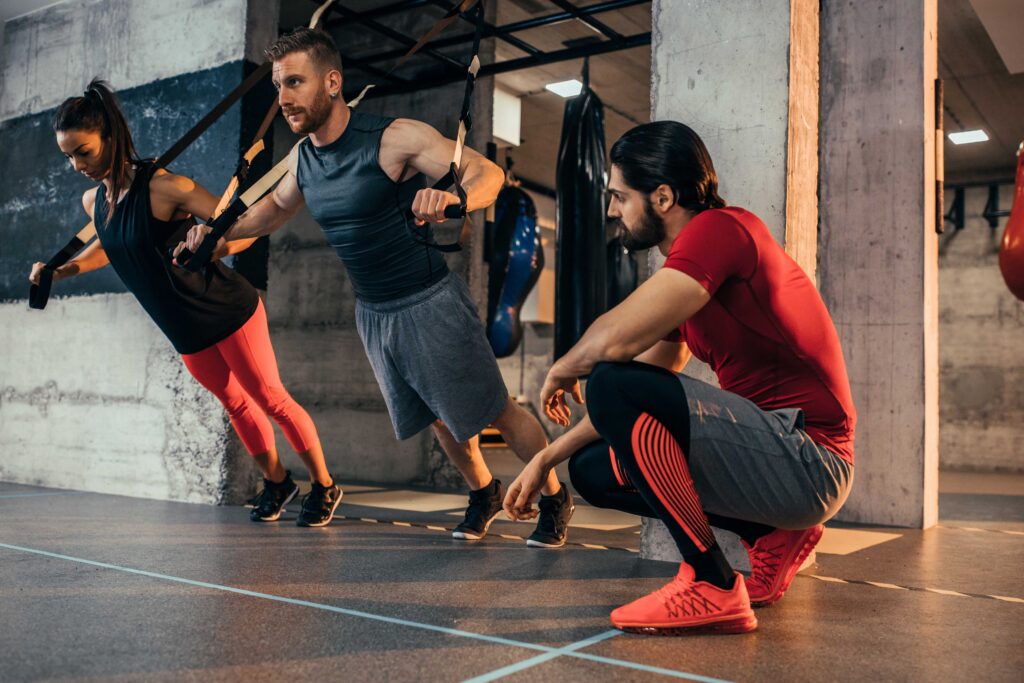
Experienced coaching can help athletes recognize movement mistakes before injuries develop. Coaches often observe body position, lifting mechanics, and exercise pacing during sessions. Small technical corrections sometimes prevent larger physical problems later.
Beginners especially benefit from movement instruction because many exercises require coordination between several muscle groups. Olympic–style lifts and gymnastic drills usually need more supervision during early learning stages.
Video analysis is also used inside some training environments. Athletes can watch movement patterns and identify unstable positions during lifts or jumping exercises.
Mobility and Flexibility Support
Mobility training: supports range of motion in joints and body control in exercise. More mobile athletes tend to move more efficiently through squats, presses and pulling exercises.
The shoulders, hips, ankles, and thoracic spine can be worked with stretching exercises, as these areas impact many compound exercises. Dynamic mobility drills are usually performed before workouts and slower stretching can be performed after training or recovery days.
But flexibility alone is not enough for safe movement. Strength through the full range of motion is also important, as muscles have to stabilize joints in dynamic exercise. Athletes can improve both mobility and stability at the same time with controlled–tempo exercises.
Breathing patterns also affect the quality of movement. Sometimes bad breathing control can cause undue tension inside the shoulders and neck during heavy lifting. Athletes may practice bracing techniques to build better trunk stability and to achieve safer spinal support.
Cross –functional fitness is growing because training systems combine multiple physical skills. The athlete who wants to stay consistent over the long run and make steady physical gains has to keep working on preventing injuries. Regular participation in challenging fitness routines generally encourages safer exercise participation across different training levels and age groups with balanced workloads, proper technique, mobility work, and recovery habits.
Comments are closed